
Rare Diseases
Prevalence
- A rare disease is a disease that occurs infrequently or rarely in the general population
- In order to be considered rare, each specific disease cannot affect more than a limited number of people out of the whole population
– 1 in 10,000 is the agreed industry definition. For our Foundation we aim to support the rarest of the rare - those who have a disease prevalence of 2:100,000 - The number of rare disease patients varies considerably from disease to disease
- What is rare in one region or country may not be rare in another region or country
Characteristics
- Rare diseases are characterized by a large number of broad and diverse disorders and symptoms that vary not only from disease to disease, but also within the same disease
- 80% of rare diseases have identified genetic origins while other rare diseases are caused by infections, allergies, chemicals/radiation or a combination of environmental and genetic factors
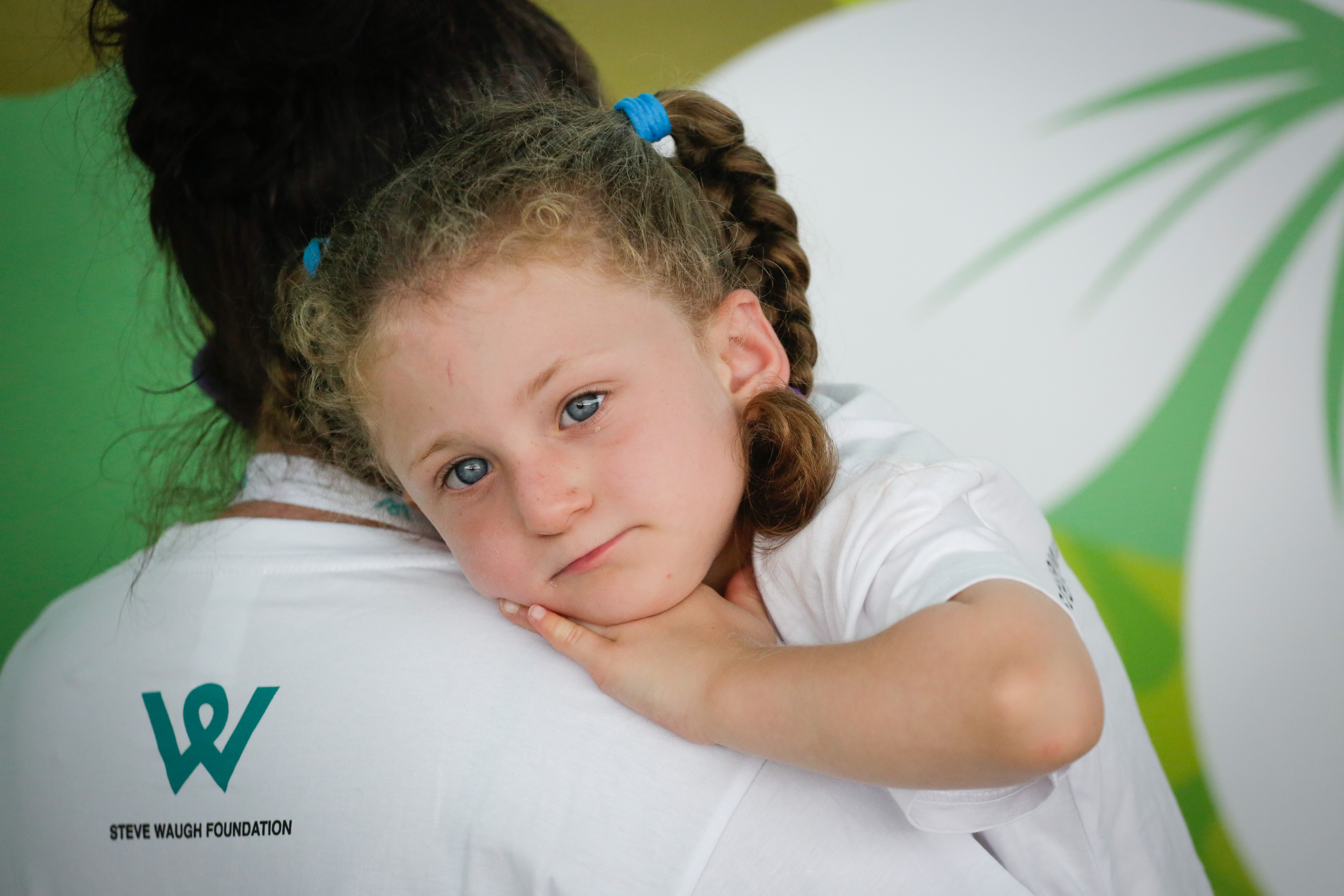
- Rare diseases often begin in childhood, continue throughout life, are disabling and life threatening and are difficult to diagnose
- Most rare diseases have no cure
- On average, the life expectancy of rare disease patients is significantly reduced
- Rare diseases are often chronic and complex, requiring many different specialised health services and community support
- Families and carers of children with rare diseases experience significant psychological stress due to stigmatisation, social isolation, unemployment, diagnostic delays, lack of information and difficulty accessing appropriate health care
- The impacts of rare diseases go beyond affected individuals. They have wide-reaching impacts on families and carers, health professionals, health resources and the wider community
Rare Disease Facts*
- 30% of families consulted between 6 and 20 doctors before getting the right diagnosis
- 2/3 of children are admitted to hospital at least once a year
- Each child averages 9 visits to a specialist per year
- Each child averages 24 visits to allied health professionals (such as physio-, speech-, and occupational therapists) per year
- Each child attends their General Practitioner 10 times per year on average
What is needed for people living with Rare Diseases in Australia?
- Equal access to quality healthcare
- Greater coordination of health services
- Greater recognition of the health, economic, and psychosocial challenges they face with increased research effort nationally and internationally
- New diagnostic procedures and treatments
- Accurate and reliable information and education about rare disease for families and health professionals
*1 Based on data collected via a validated survey from 462 families who have a child with a rare disease; families were drawn from the Steve Waugh Foundation, SMILE Foundation (Variety), The Children’s Hospital at Westmead, and Genetic Alliance Australia. The data collection was a part of the ARC Linkage Project Grant (LP110200277) led by the Australian Paediatric Surveillance Unit (APSU) in partnership with these organisations, and The University of Sydney, the University of Western Australia, and the Royal Australasian College of Physicians (RACP).